Original article and byline published by PakFactory.
Key takeaways
Packaging harms the environment at every stage of its life cycle, and businesses reduce that impact by making sustainable choices across sourcing, production, shipping, and disposal.
- 01A package carries a footprint at three stages: sourcing and production, transportation, and disposal.
- 02Plastic waste is a leading culprit: in 2016 roughly 23 million metric tons of plastic entered the ocean.
- 03Reduce impact through responsible material sourcing, clean manufacturing, and design that uses less packaging and more recycled content.
- 04Compare units per shipping case, pallet utilization and damage rates when reviewing freight.
- 05Test material savings alongside product protection, labor time and the cost of damaged goods.

Whether we like it or not, packaging products is essential to prevent damage, spoilage, or contamination. But unfortunately for the planet, many packaging materials can cause significant environmental impacts, especially plastic waste.
The impact of packaging causes harm to the ocean, our air, and our land. It is a crucial problem that cannot be solved overnight but cannot be overlooked. Excessive packaging waste causes significant harm to our environment, and companies and consumers must take steps to help reduce and control these harmful effects.
Start with one pack you already buy. Record its board grade, flat blank size, packed dimensions and typical shipping damage before comparing alternatives.
What Harms the Planet?: Environmental Impact Definition
A useful packaging comparison accounts for production, transport and the end-of-life options actually available where the pack is sold.
What we mean by environmental impact is the excessive packaging of products, the waste they produce, and the emissions they create throughout manufacturing and disposal. All packaging has an ecological impact on the planet, but we must reduce these effects to maintain a healthier world.
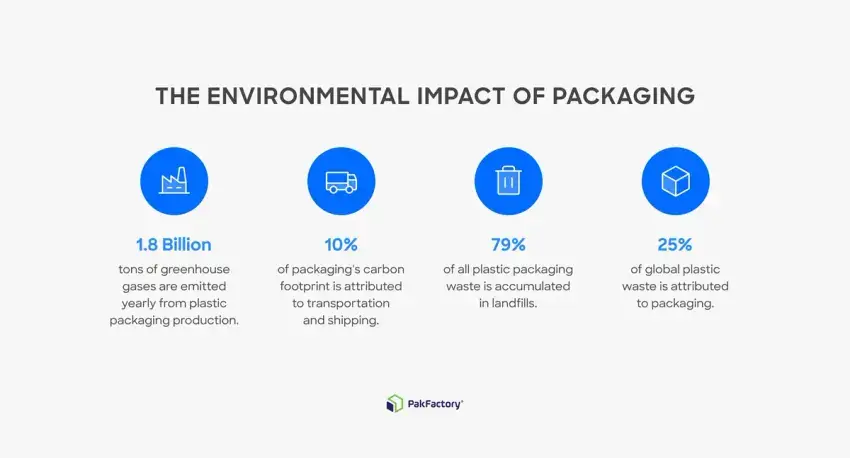

Plastic waste, in particular, is one of the largest culprits contributing to the negative environmental impact of packaging. However, all types of packaging still contribute and add up to a significant problem that must promptly be addressed.
It all starts at the beginning of a package’s life cycle and continues throughout, leaving a negative environmental footprint each step of the way. From its creation to its disposal, the negative environmental impact of most packaging materials is very concerning. So, to better understand how impactful packaging can be to the environment, let us look at the three main stages of a package’s life cycle.
Sourcing and Production
The problem with most wasteful packaging begins right at its creation. All forms of packaging require a certain amount of resources and energy to manufacture. Manufacturing can, and most likely will, emit greenhouse gases harmful to our air, produce harmful heavy metal particulates or dump toxic waste sludge into our waters.
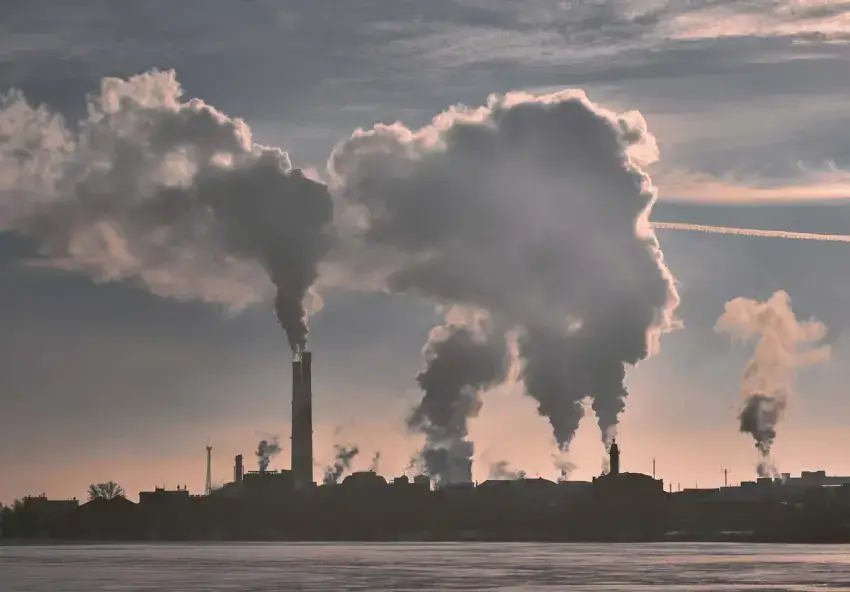
Source: Maxim Tolchinskiy
Even factors such as water use, chemicals, petroleum, or collection of wood and other resources contribute to the environmental impact caused during production.
Transportation
But it is not just the production of wasteful packaging that harms the environment. The transportation of packaging also affects the environment. Air pollution through airplanes, ships, and trucks also harms the planet! Fuel is needed to move packaging from one point to another. And though we will always need transportation, there are ways to lighten this inevitable impact, which we will discuss soon.
Disposal of Packaging Waste
The final major factor that affects the environmental impact of packaging is the end of its life cycle, the disposal. Every type of packaging can pollute the environment, but packaging plastics, in particular, are significantly harmful when not properly handled. Plastics often litter our oceans and streets, seriously harming avian and aquatic life.
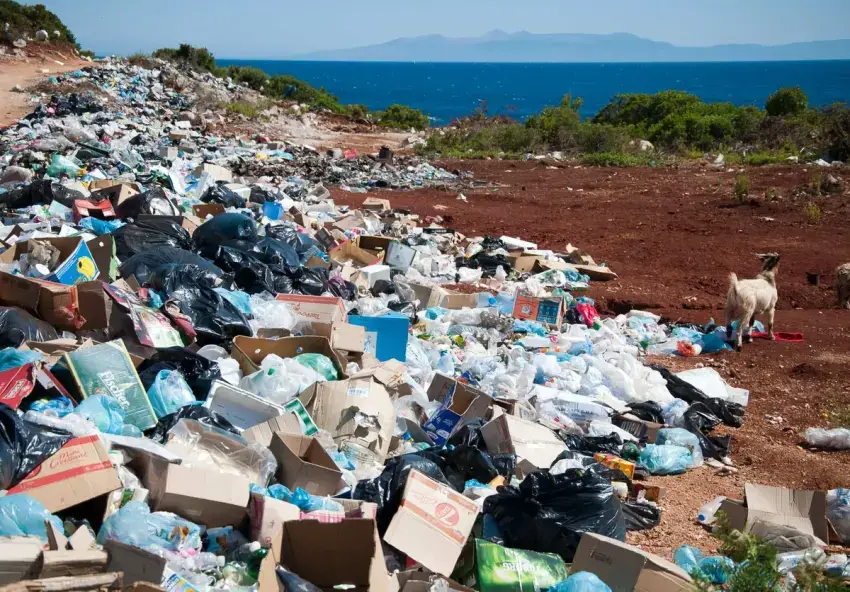
Source: Antoine GIRET
In 2016 alone, around 23 million metric tons of plastic waste entered the ocean, where aquatic animals and birds often get tangled in such debris or mistake it for food. According to Ocean Conservancy, plastic has been found in 59 percent of seabirds, 100 percent of sea turtles, and more than 25 percent of sampled fish from seafood markets worldwide, and to make matters worse, this statistic is increasing.
So, steps and initiatives must be taken to minimize the plastic waste problem and packaging’s harmful environmental footprint in general.
Questions to ask your packaging supplier
With advancing technology and the innovation of alternate, sustainable modern packaging, businesses and consumers may start taking the appropriate steps to reduce the environmental impact of excessive packaging and move toward waste-free packaging.
When comparing suppliers, ask for evidence specific to the proposed material, production site and delivery route.
Material sourcing. Identify the mill and board grade. Ask for supporting documents before printing a sourcing or recycled-content claim.
Manufacturing. Ask how the converting site sources electricity and separates offcuts. Compare usable yield from the proposed sheet layout.
Design. Compare the blank size, board weight and number of components. Test the lighter design with the product inside before selecting it.
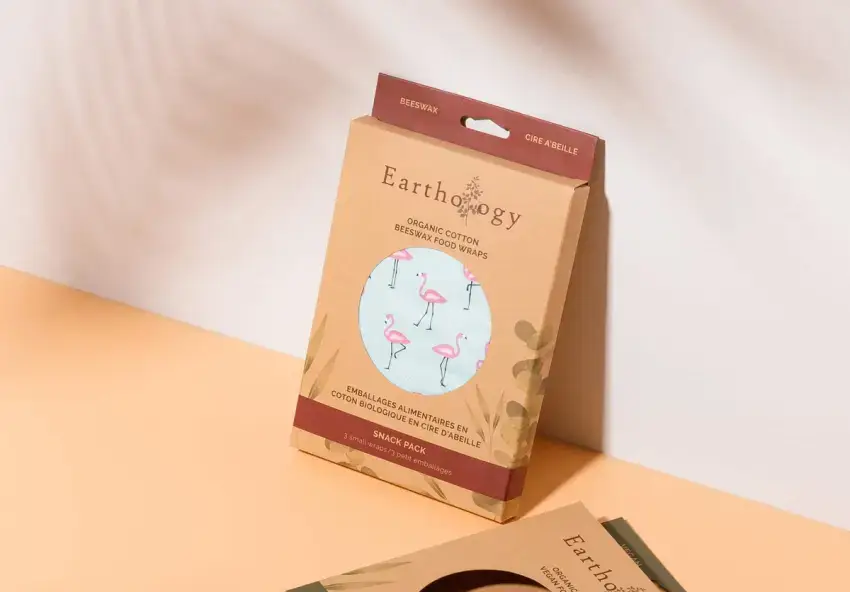
Source: PakFactory
Freight. Compare packed case dimensions, units per pallet and mode of transport. Use shipment-specific evidence for any emissions claim.
Packing. Time the filling and assembly steps with the team that will use the pack, then check the fit on the actual packing line.
End of life. Check whether local collection and sorting facilities accept the complete package, including windows, liners and closures.
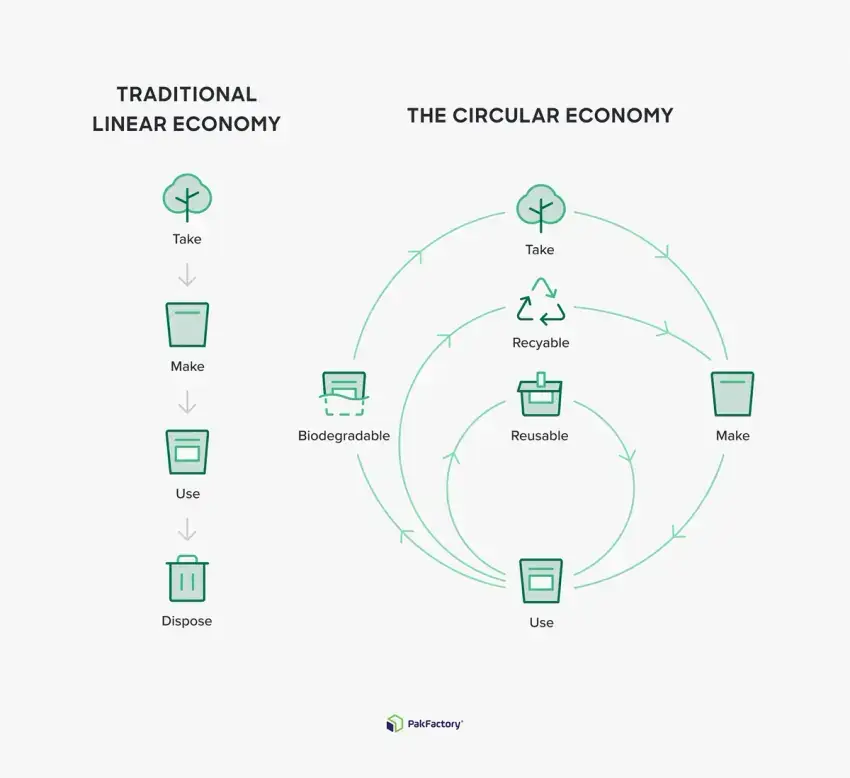
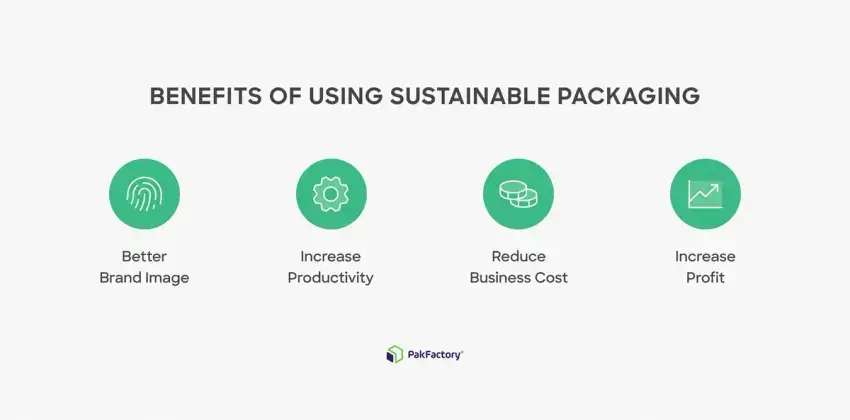
Benefits of Reducing Environmental Impacts
Good comparisons use the same product, distribution route and damage allowance for both designs.
A smaller shipping case can improve pallet utilization. A lighter board may reduce material use but can also affect stacking strength. Record both outcomes on a sample run.
The original publisher also documented the following packaging projects. Use them as design references.
Positive Change Starts With Everyone
Compare actual material use and damage rates after the first run and retain the approved pack specifications for your next order.
If you want to elevate your business and take the next steps toward sustainable packaging, please do not hesitate to contact us. Our specialists are eager and happy to answer any questions you have!
Original article by
Former journalist turned packaging researcher, focus on technical content & industry news.