Original article and byline published by PakFactory.
Key takeaways
The Pantone Matching System (PMS) is a standardized, numbered color system run by Pantone that acts as a near-global language for printing and packaging.
- 01Palettes include Solid, Process, Textile, Plastic, and Goe, used by different industries.
- 02The Solid Colors palette, with over 1,100 colors, is the most widely used for print and publishing.
- 03PMS vs CMYK: CMYK mixes four inks and varies more; PMS delivers a wider, more consistent color range.
- 04That consistency is why PMS is ideal for branded packaging and a global print standard.
The Pantone Matching System (PMS) is a global force in the field of color language and design.
PMS is a standardized color matching system, and it is run by Pantone Inc.
Pantone has successfully become the universal language of color as it has successfully named almost all the different tones.
This language is used on a nearly global basis for printing and packaging today.
What Exactly is Pantone?
The PMS is a standardized color matching system that ensures accuracy according to a specific type of color and is coded through a numbering system, also known as Pantone numbers.
Although PMS is most popularly associated with the printing industry, it is also heavily used in the manufacturing of plastics, clothes, fabrics, and paint.
The PMS matching system is the most popular guide used by designers, manufacturers, clients, artists, and printers.
The system is widely adopted primarily because of its highly accurate color identification, quality control, and meticulous design specification.
The Different Palettes
PMS has a number of different color palettes including:
- Pantone Solid palette
- Process palette
- Textile palette
- Plastic palette
- Goe palette
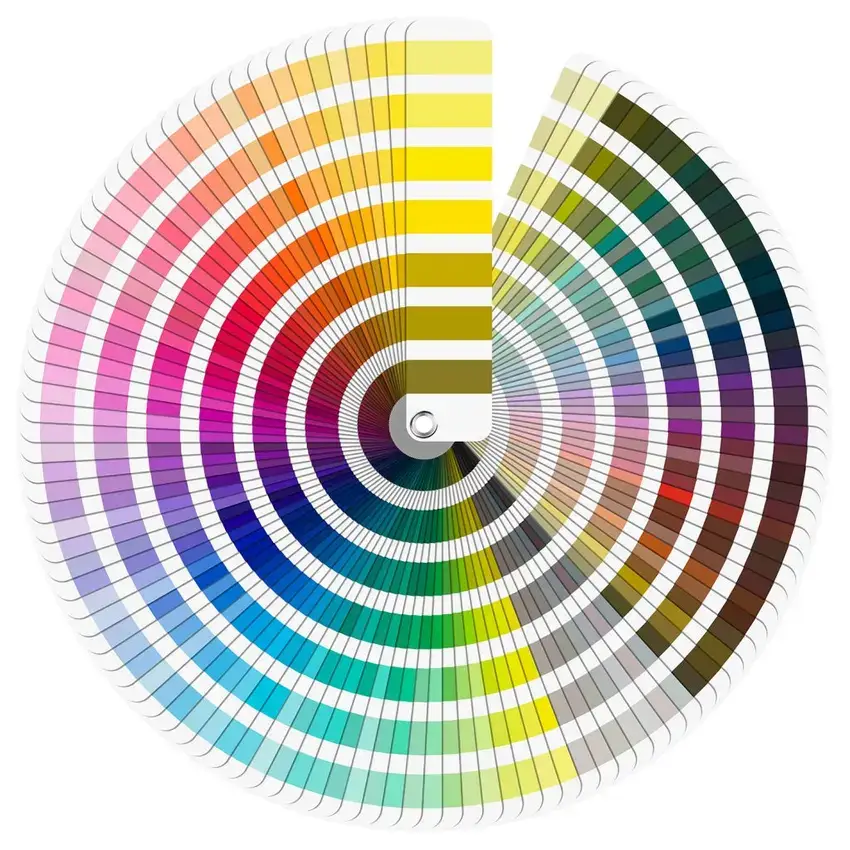
All these different palettes list thousands of colors and tone, and is used differently according to particular industries.
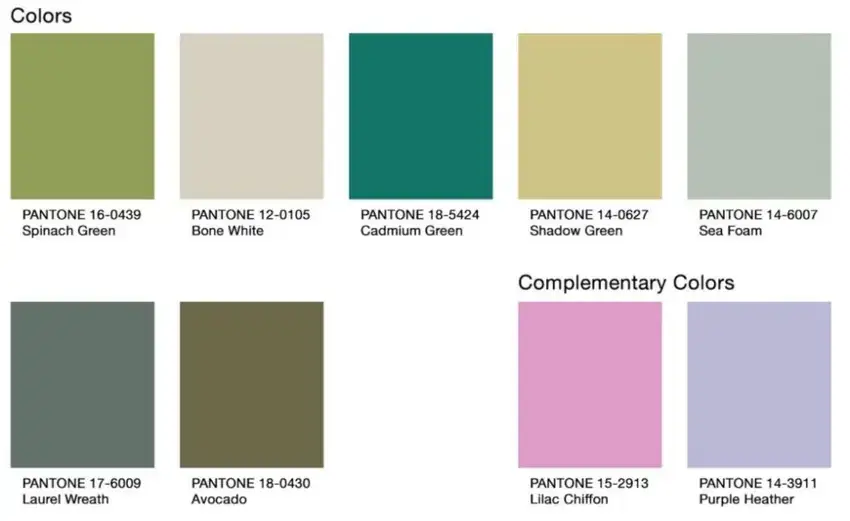

Pantone basically has the power to define what color is supposed to look like, whether the color is the right shade of magenta, cyan, red, or yellow, etc.
The Pantone Solid Colors palette is the most widely used color palette produced by Pantone.
The palette has a little more than 1100 unique colors and is primarily used for print, graphics and publishing.
This is the palette that you are likely to find on most color printers and ensure accurate color matches.

The Benefits of Pantone Colors
It is the most widely used color system in the world and it is more likely to be identified and accepted by industries when compared to other color systems.
It also has an incredibly high range of tones offering near exact color matches.
No other system contains the same level of detail and precision as PMS.
This is why PMS is excellent for designing branded packaging as it creates a uniform color code.
The Difference between Pantone and CMYK
CMYK colors are made up of only four elements: cyan, magenta, yellow, and black. The colors are typically printed separately and then layered.
PMS consists of a collection of colors that do not represent any specific model and print a more extensive range of colors than what is achievable through CMYK.
Colors printed using CMYK has a much higher degree of variation and may not create accurate or consistent color output.
The color consistency of PMS is one of the reasons why it has become a global standard.
The PMS will continue to be a global standard for the foreseeable future and is the most popular color system for printing in the world.

Sources
- New colors added to the Pantone Matching System: Pantone, Pantone Just Launched 200+ Bold New Graphics Colors, 16 September 2026.
Frequently asked questions
What is Pantone?
Pantone is the company behind the Pantone Matching System (PMS), a standardized color system that gives each color a number so designers and printers anywhere can reproduce the same shade.
What is a PMS color?
PMS stands for Pantone Matching System. A PMS color is a specific premixed spot ink identified by its Pantone number, so the same color prints consistently from one job, printer or country to the next.
What is the difference between Pantone and CMYK?
Pantone colors are premixed inks printed as one solid color, so they match exactly. CMYK builds colors from dots of cyan, magenta, yellow and black, so some shades, especially very bright or metallic ones, can't be matched exactly in CMYK.
How many Pantone colors are there?
The Pantone Matching System for graphics includes more than 2,000 solid colors, and Pantone keeps adding to it. In September 2026, Pantone announced 224 new colors in the system.
Original article by
5+ years in content strategy — building packaging case studies, guides, and blogs.